Please wait...
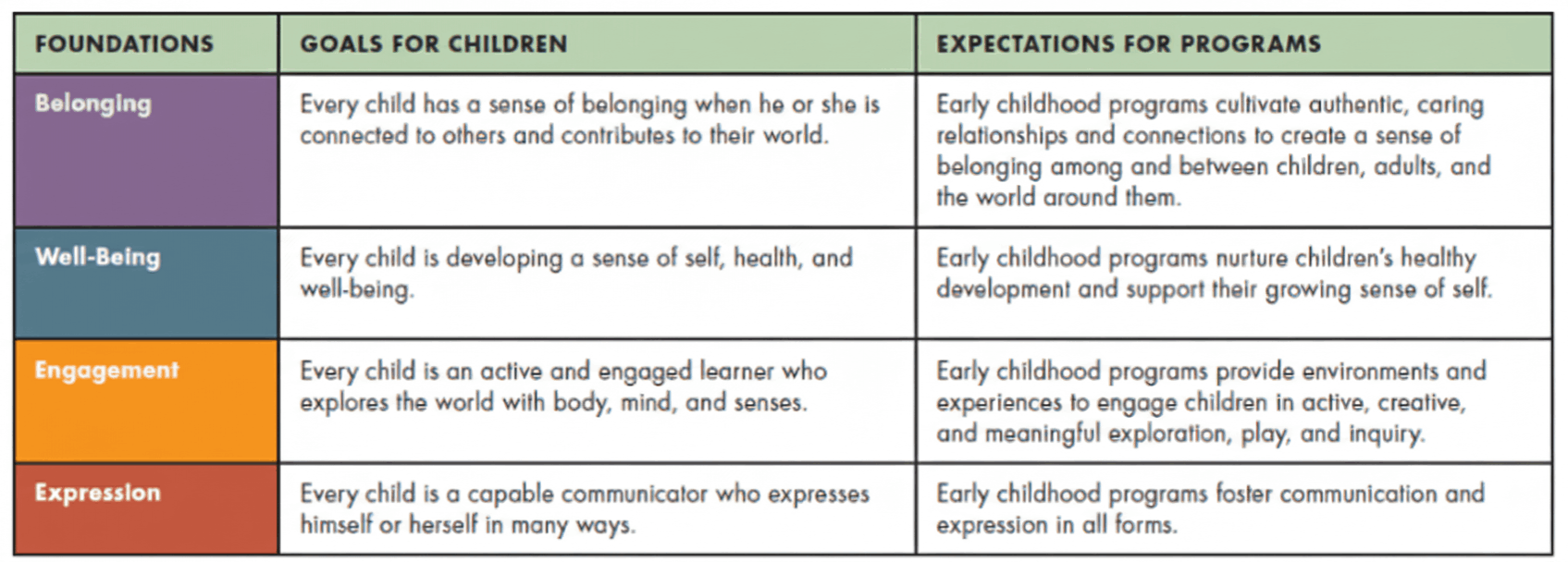
Ontario International School adopts a Canadian curriculum focuses on a whole child
development (physical development, cognitive development, socio-emotional development,
and communication development). The curriculum recognizes that schools, families and
communities hold distinct values about how young children should experience and interact
with the world around them.
For the international program, Ontario
International School uses the Canadian textbooks entitled ‘Complete Canadian Curriculum’
from kindergarten to secondary education. Graduates from this program have a strong
chance to transfer their credits to or be accepted by other schools in Canada and in the
world.
To enable the children to achieve these learning outcomes, Ontario
International School provides excellent care and educational programs which blend fun
and learning in a safe, secure, and stimulating environment. Ontario International
School adopts a Canadian learning outcome-based curriculum, the most sophisticated
curriculum in the 21st century. This curriculum places the child in the center of the
teaching and learning process (child-centeredness), and it aims at educating children
holistically, including physical, cognitive, communication, and socio-emotional
development.
Ontario International School believes that successful early
childhood education is attributed to active engagement of parents and support of the
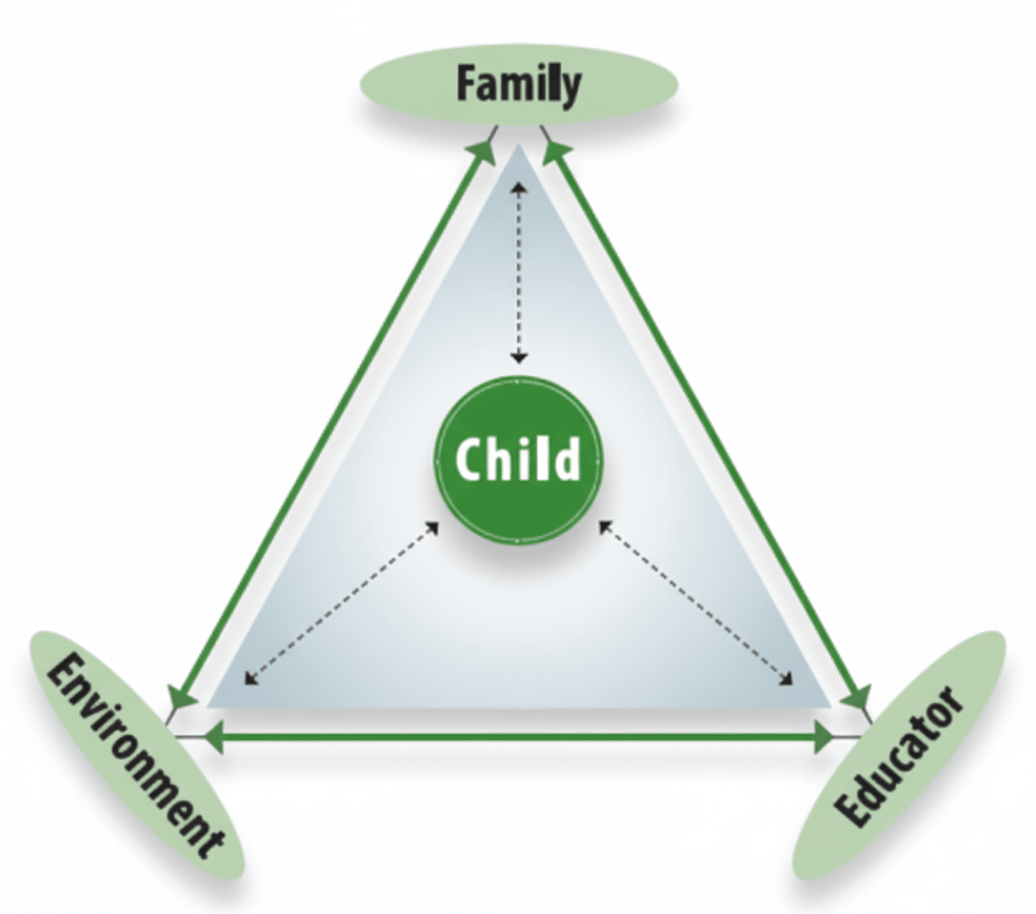
community in the educational programs. The Ontario Government states that “Learning and
development happens within the context of relationships among children, families,
educators, and their environments,” (Ontario Public Service, 2014).
Ontario International School values and respects the involvement of the parents and community in the learning process. “Learning and development happens within the context of relationships among children, families, educators, and their environments.” (Ministry of Education, Ontario, 2007)
“Children are competent, capable of complex thinking, curious, and rich in potential. They grow up in families with diverse social, cultural, and linguistic perspectives. Every child should feel that he or she belongs, is a valuable contributor to his or her surroundings, and deserves the opportunity to succeed. When we recognize children as capable and curious, we are more likely to deliver programs and service that value and build on their strengths and abilities.” (Moss, 2010)
Loading data, please wait...